Integral Somatic Psychology (ISP)
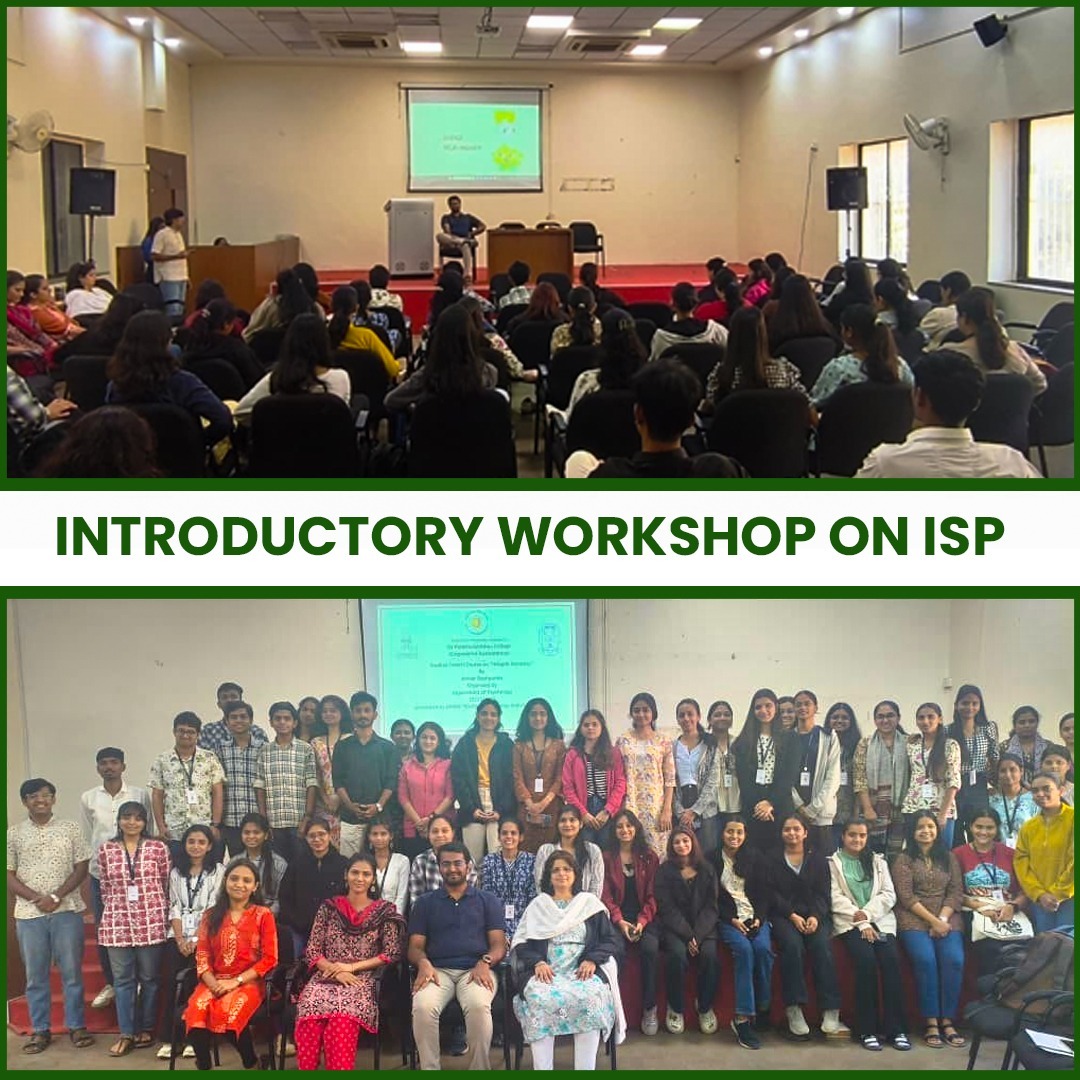
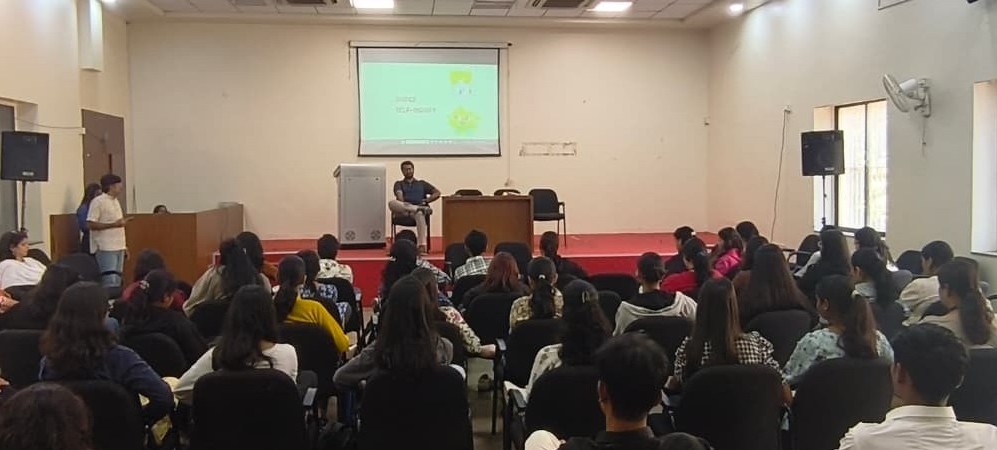
It was a meaningful return to familiar grounds as Aniket was invited as a guest speaker to his alma mater, Sir Parashurambhau College, popularly known as S. P. College, Pune. He interacted with graduate and post-graduate students of the Department of Psychology, introducing them to the evolving field of Integral Somatic Psychology (ISP). As part of the session, Aniket conducted an introductory workshop on ISP, offering students an initial understanding of the approach and its application within the study and practice of psychology.
What Is Integral Somatic Psychology (ISP)?
Integral Somatic Psychology (ISP) is an approach that focuses on emotional embodiment and understanding emotions through direct experience. The introductory workshop conducted by Aniket focused on the basic aspects of the ISP approach and ISP training.
ISP Workshop at S. P. College, Pune
The workshop on ISP was conducted for graduate and post-graduate psychology students of Sir Parashurambhau College, Pune.
Aniket spoke about:
- The basic aspects of the ISP approach
- An introduction to ISP training
- Experiential understanding of emotions
Experiential Approach of ISP
The workshop was experiential in nature with an intention to:
Aniket spoke about:
- Help students understand emotional embodiment
- Experience what it means “to sit with the emotion”
- Focus on capacity building of emotion
The session allowed students to experience sensations, notice feelings around them, and understand emotional awareness through practice.
Key Focus Areas of the ISP Session
- Emotional embodiment
- Awareness of sensations
- Understanding feelings
- Experiential learning
- Integration of multiple therapeutic approaches
- Understanding chakras
- Differentiation between Somatic Experiencing (SE) and Integral Somatics
Student Testimonials on Integral Somatic Psychology (ISP)
- “The session of integral somatic psychology was something new to learn, it is a good tool that can be used as a complimentary tool with other therapies.”
- “The session was new for us, as ISP is a newly emerging branch of Therapy. It was amazing to see the integration of so many therapies into one approach. Aniket Sir conducted it very well, calmly, and naturally let the session flow with tiny bits of practical touches which made it more understandable.”
- “The session focused on us being more aware about our sensations. Noticing feelings around it and we also learnt about Chakras. It was interesting to see the collaboration between these two and gave a clear understanding of the difference between Somatic Experiencing (SE) & Integral Somatic.”
- “Session helps us to give clear understanding of Integral Somatic. It was conducted in very calming and caring way. It gave us understanding about the exact approach in integral somatic and how it is different than other.”
Workshops Offered by Aniket
Feel free to contact Mr. Aniket if you wish to conduct workshops for students of psychology on:
- Integral Somatic Psychology (ISP)
- Attachment Therapy (DARe)
- Introduction to Logo therapy
- Trauma Informed Care
- Solution Focused Brief Therapy
Frequently Asked Questions (FAQ)
Q1. What is Integral Somatic Psychology (ISP)?
Q2. How does ISP differ from other somatic therapy methods?
Q3. Who can benefit from learning or using Integral Somatic Psychology (ISP)?
Q4. How is Integral Somatic Psychology taught in professional training programs?