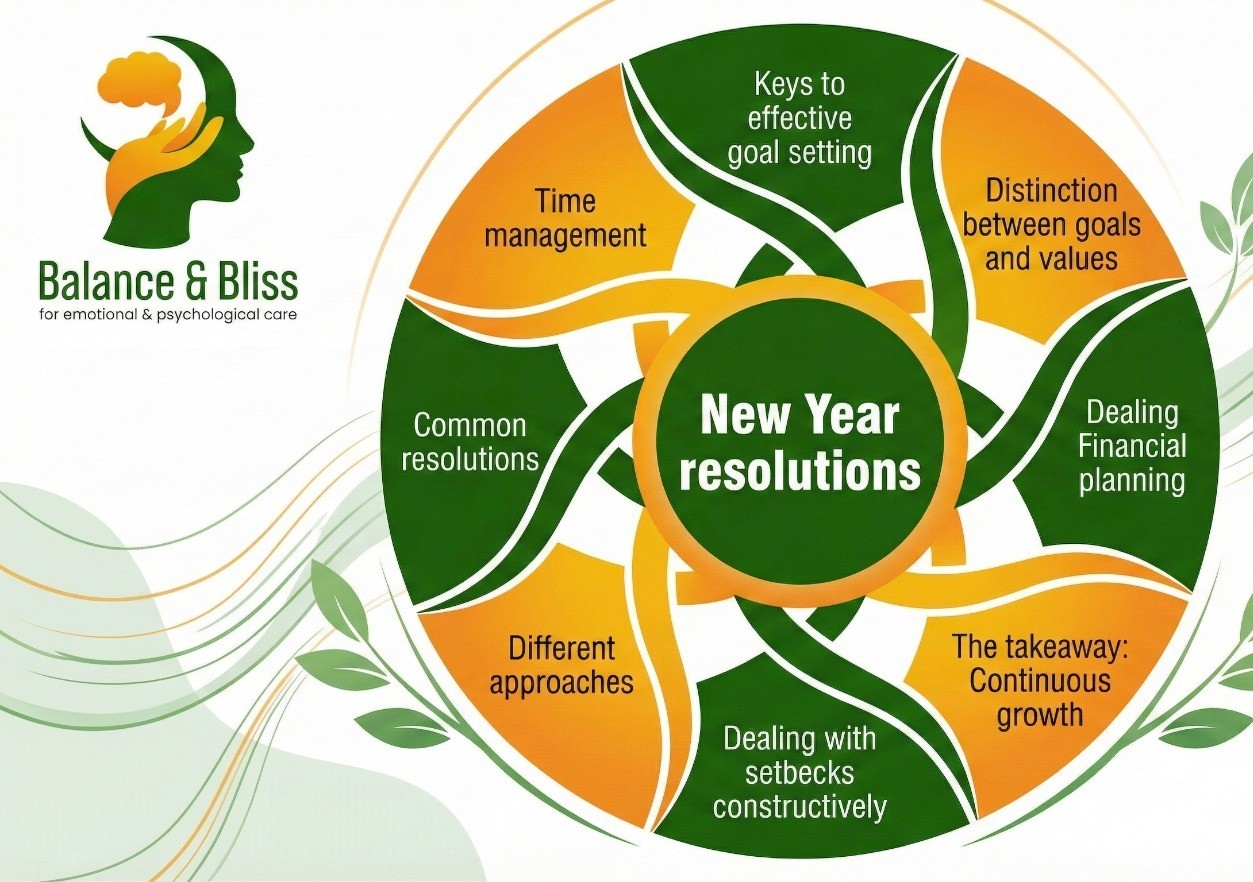
New Year Resolutions: A Psychologist's Guide to Setting and Achieving Your Goals
Wishing everyone a very Happy New Year...
Understanding Different Approaches to New Year Resolutions
Many people start the new year in different ways some make new resolutions and take the necessary actions to fulfil them, some make resolutions but keep postponing the start date of their actions day by day, some have such strong self-doubt that they believe, "If I make a resolution, it will never be fulfilled," and therefore they neither make resolutions nor take any action; some get ready and go to work with full energy on the first day of the new year, while others take a holiday, and some have to go to work even though they don't want to.
Whatever the case, everyone knows what they want to do and what they don't want to do in the new year. Everyone has some goals/resolutions, for example, losing weight, eating nutritious food, managing finances, exercising, learning something new, etc. But often, at the end of the year, it is decided that these same resolutions will be fulfilled in the new year. Often, when making resolutions or setting goals, we don't even know what kind of goals they should be.
The Right Way to Set Your New Year Resolutions
When setting goals/resolutions, one should know the answers to the questions of why and for what purpose. They should be specific and clear meaning not just losing weight, but losing a specific number of kilograms. They should be measurable meaning one should be able to say how many kilograms will be lost in how many days. But at the same time those goals should be realistic.
More importantly, when fulfilling that resolution, one should have all the necessary equipment, materials, space, etc.; meaning, whether I will lose weight by doing yoga at home or by going somewhere else, joining a gym or something else for that I should inquire, get the necessary things, pay the fees if needed, and be prepared. One of the most important things in all this is that there should be a time limit for fulfilling the decided resolutions.
Time Management: The Key to Productivity and Success
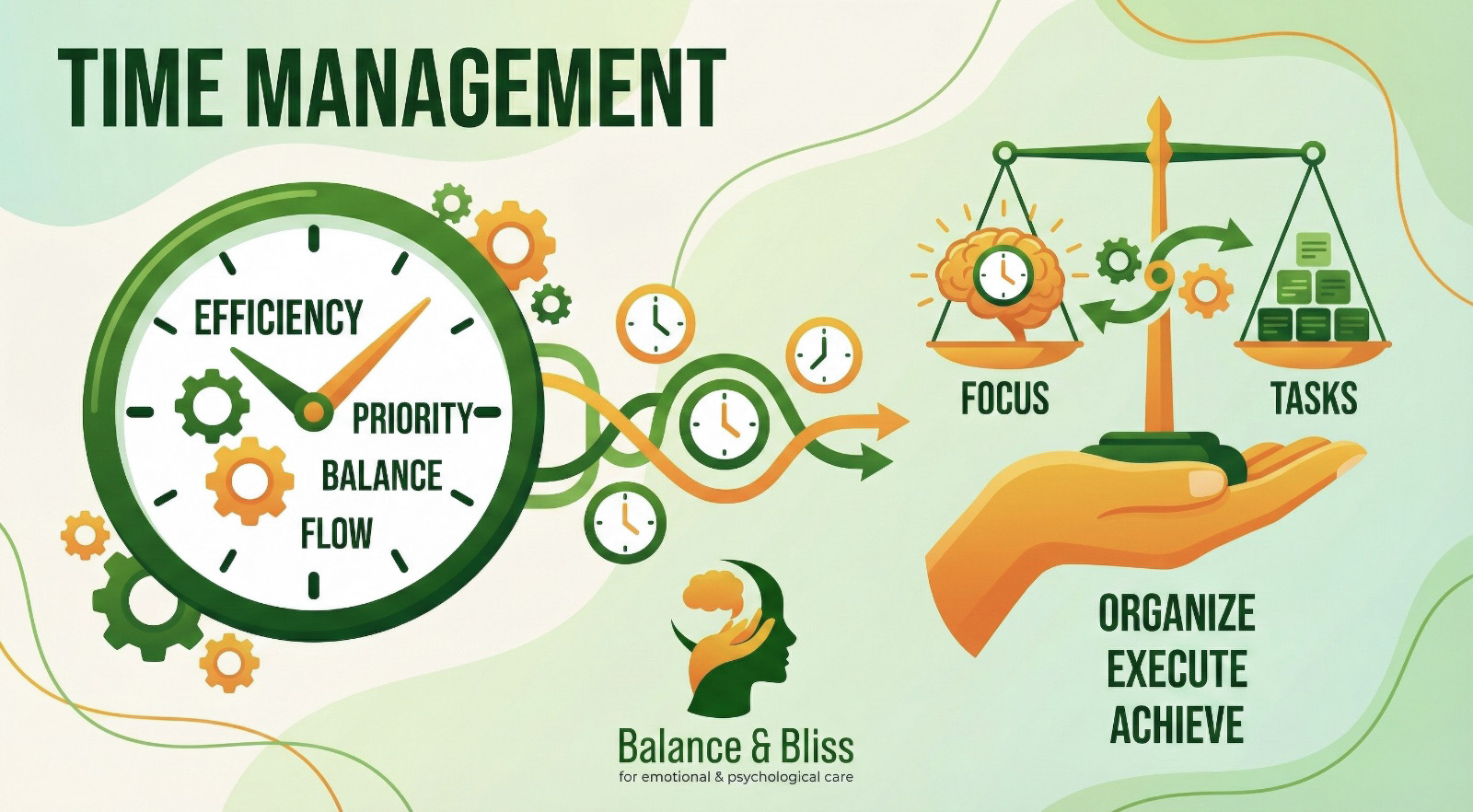
Time management is essential for success in today's busy world. It means setting clear priorities, making realistic plans, and avoiding distractions that stop you from finishing important work. Plan your day ahead, break big tasks into smaller steps, and give each activity a specific time slot to boost productivity and lower stress. Good time management also means saying no to things that aren't important, using calendars and to-do lists to stay organized, and checking your progress regularly. When you manage your time well, you'll have better work-life balance, personal growth, and reach your long-term goals. Time is limited and can't be brought back once it's gone, so using it wisely helps in every part of life— your career, relationships, and hobbies.
Handling Setbacks and Understanding Your Values
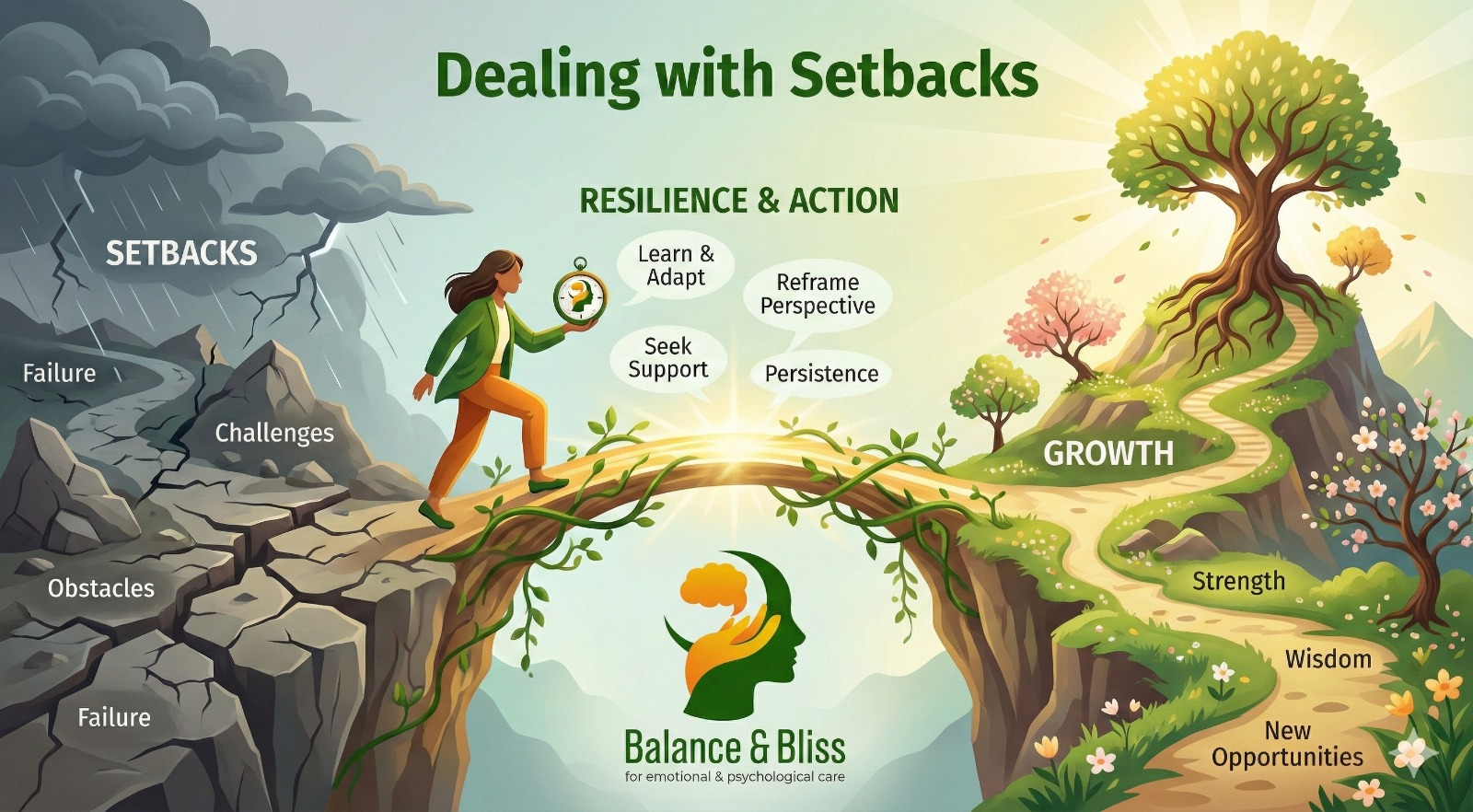
But often, some things happen unexpectedly, which disrupt the smooth running of the work, and then it doesn't get done again, or the desire to do it fades away. It is important to note here that there is a significant difference between resolutions/goals and our values. I might make the same unfulfilled resolution every year, but my values will remain the same. Resolutions are based on our values, which inspire everyone from within to act and fulfill their resolutions.
Instead of being hard on yourself or abandoning your resolutions if they are not fulfilled, take some time, understand what stopped you and why, reflect on your values, and then start working towards them again. Whether you have new resolutions every year or the same unfulfilled ones, the lessons learned from all the previous years and your values will help you in your overall development in the new year.
About the Author:
Aniket Deshpande
Contact: 8237017150
Frequently Asked Questions (FAQ)
Q1. What is the difference between goals and values when making New Year resolutions?
Q2. Why do most people fail to keep their New Year resolutions?
Q3. How can I make my New Year resolutions more achievable?
Q4. What should I do if I fail to keep my New Year resolution?
Q5. How specific should my New Year resolutions be?
Q6. Is it normal to make the same resolution every year?
Q7. What role does preparation play in fulfilling New Year resolutions?
Q8. How can self-doubt affect my New Year resolutions?